Agripreneur
What is agripreneur?
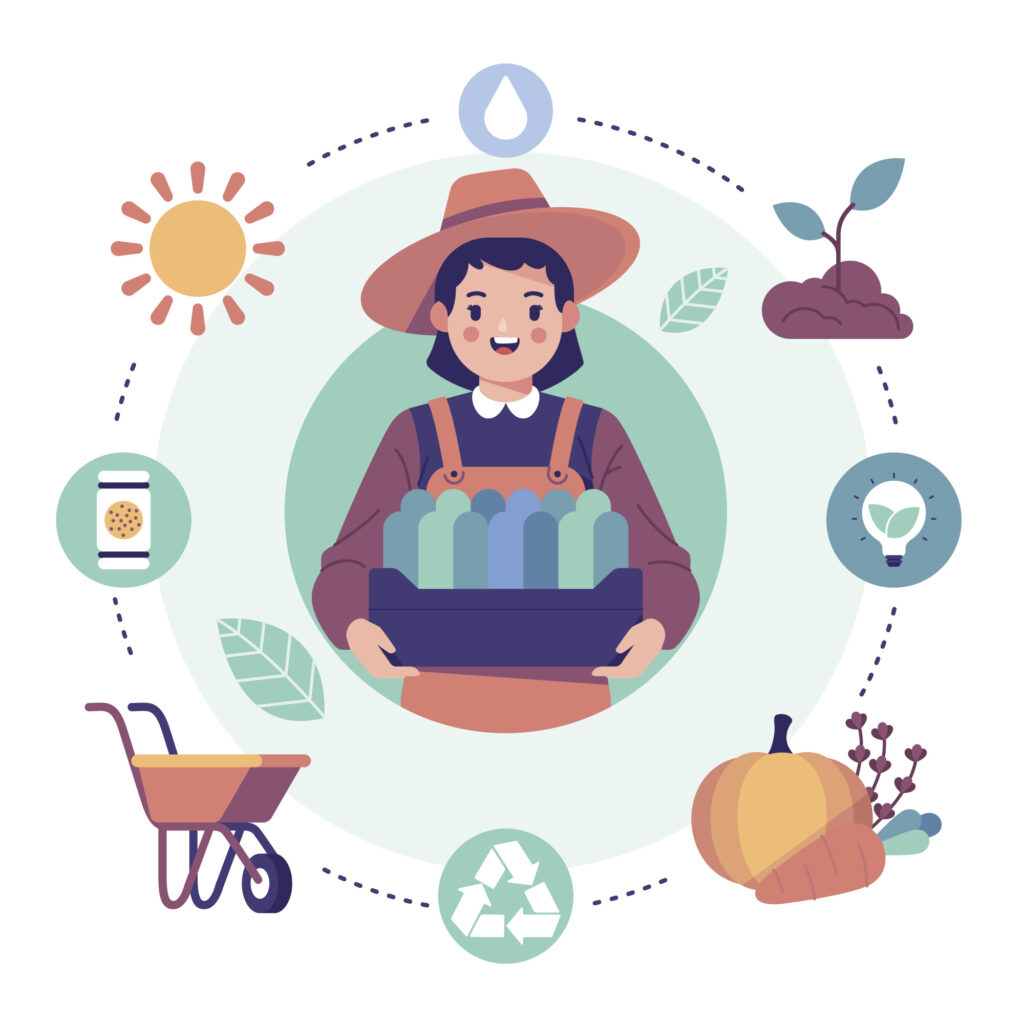
An agripreneur is an entrepreneur who combines a passion for agriculture with a business mindset, focusing on innovative and sustainable solutions within the agricultural sector, often venturing beyond traditional farming practices.
Here's a more detailed explanation:
Definition:
Agripreneurship is essentially entrepreneurship within the agricultural domain, encompassing the creation and development of businesses related to farming, food production, and related industries.
Beyond Traditional Farming:
Agripreneurs are not just farmers; they are innovators who identify opportunities to improve agricultural practices, develop new technologies, and create value-added products and services.

Examples of Agripreneurial Activities:
Sustainable Farming: Implementing eco-friendly farming techniques and promoting organic agriculture.
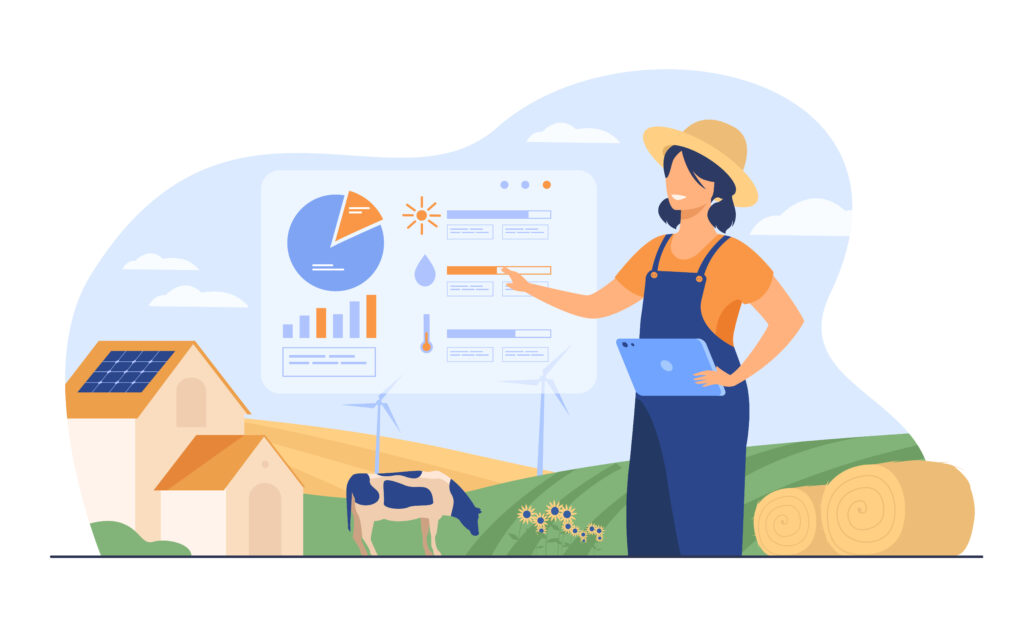
Agri-Technology: Developing and utilizing new technologies in agriculture, such as precision farming, drones, and data analytics.
Value Addition: Processing agricultural products, creating new food products, and developing unique agricultural products.
Agri-Tourism: Developing farm-based tourism experiences, such as farm stays, educational tours, and agricultural festivals.
Supply Chain Management: Improving the efficiency and sustainability of the agricultural supply chain.
Agri-based Businesses: Starting businesses related to agricultural inputs, equipment, or services.
Key Characteristics of Agripreneurs:
Business-Minded: Possessing strong business acumen, including market analysis, financial management, and marketing skills.
Innovative: Seeking new ideas and solutions to improve agricultural practices and address challenges.
Tech-Savvy: Comfortable with using technology to improve efficiency and productivity in agriculture.
Socially Conscious: Understanding the importance of sustainable and ethical agricultural practices.
Importance of Agripreneurship:
Food Security: Agripreneurs play a crucial role in ensuring food security by improving agricultural productivity and efficiency.
Economic Growth: They contribute to economic growth by creating jobs and generating income in rural areas.
Innovation: They drive innovation in the agricultural sector, leading to new technologies and practices.
Sustainability: They promote sustainable agricultural practices, protecting the environment and ensuring long-term viability of the sector.